


It is understandable for parents in Singapore to have questions when a child seems underweight, eats only small portions, or regularly refuses certain foods. Healthy weight gain should start with a balanced, nutrient-rich diet, while vitamins or supplements may have a role when a child is not getting enough of particular nutrients.
Rather than looking for vitamins for kids to gain weight as a quick solution, it is important to consider the child’s overall diet, appetite, and growth pattern. This guide looks at vitamins and other nutrients involved in normal childhood growth, along with ways to support adequate nutrition through food and, where appropriate, supplementation.
Key Takeaways:
- Vitamins for kids to gain weight should complement a balanced diet rather than replace nutritious meals and snacks.
- Children may struggle to gain weight because of smaller appetites, picky eating, high activity levels, insufficient nutrient intake, or individual differences in growth and metabolism.
- Vitamins and minerals support normal growth and development, but they do not directly cause healthy weight gain on their own.
Why Some Children Struggle to Gain Weight
There is no single reason why a child may have difficulty gaining weight. Picky eating can limit the variety of foods a child accepts, while some children naturally have smaller appetites or feel full quickly. Highly active children also use more energy, and their nutritional needs can change as they grow.
For parents in Singapore, the focus should be on whether the child is receiving enough energy and nutrients to support their individual growth rather than simply encouraging them to eat larger portions. Offering balanced, nutrient-rich foods at regular meals and snacks can support gradual weight gain when additional energy is needed.
If your child is consistently underweight or not meeting growth milestones, a paediatrician should be the first point of contact.
Key Vitamins and Nutrients That Support Healthy Weight Gain in Children
When considering vitamins for kids to gain weight, it is important to look at nutrients that support normal growth, appetite, energy metabolism, and development. A deficiency can sometimes affect these processes, but supplements are most useful when they address an identified nutritional gap.
Zinc
Zinc supports cell growth, metabolism, and normal development throughout childhood. A zinc deficiency can contribute to loss of appetite and impaired growth, making adequate intake particularly important for children who are not eating a varied diet. Meat and fish are good sources, while beans, nuts, seeds, eggs, and whole grains can also provide zinc.
Vitamin D
Vitamin D helps the body absorb calcium and supports healthy bones as children grow. Children can obtain Vitamin D through sunlight exposure and foods such as fatty fish, egg yolks, and fortified products, although supplementation may be appropriate in some circumstances. Singapore also has age-specific recommendations for Vitamin D intake in children. Learn more about Vitamin D in children and speak to a healthcare professional if you are concerned about your child’s intake.
Vitamin B12
Vitamin B12 is needed for healthy red blood cell formation, nervous system function, and normal energy metabolism. Deficiency can cause tiredness, weakness, loss of appetite, and, in infants, failure to thrive, which is why adequate intake matters for healthy development. Vitamin B12 occurs naturally mainly in animal-derived foods such as meat, fish, eggs, and dairy products.
Vitamin C
Vitamin C supports normal immune function and helps the body absorb iron from plant-based foods. Rather than directly promoting weight gain, getting enough vitamin C contributes to overall nutrition and normal growth. Good food sources include oranges and other citrus fruits, strawberries, broccoli, capsicum, and tomatoes.
Iron
Iron is essential for making haemoglobin, which carries oxygen around the body, and is also needed for normal growth and development. Iron deficiency anaemia can cause tiredness, weakness, and low energy, which may affect a child’s overall wellbeing and activity. Sources include red meat, poultry, seafood, legumes, fortified cereals, and leafy green vegetables.
Vitamin A
Vitamin A supports normal vision, immune function, and growth and development. Adequate intake therefore forms part of a balanced diet for growing children rather than acting as a standalone solution for weight gain. Children can obtain vitamin A from foods such as eggs and dairy products, as well as orange and yellow vegetables such as carrots, pumpkin, and sweet potato.
Food First to Support Weight Gain in Children
Before turning to supplements, focus on foods that provide both energy and useful nutrients. Eggs, full-fat yoghurt and cheese, avocado, nut butters, oily fish, wholegrain rice and bread, and legumes can help add variety and nutrition to a child’s meals. For children with smaller appetites, offering smaller meals and snacks more frequently may be easier than expecting them to finish large portions at once.
Picky eaters may also accept nutritious ingredients more readily when they are incorporated into familiar meals. For example, vegetables can be blended into sauces, while nut butter can be added to smoothies, toast, or porridge where age-appropriate and safe. Mayo Clinic Press offers further ideas for introducing nutrient-dense ingredients into familiar foods.
When to Consider Supplements for Children
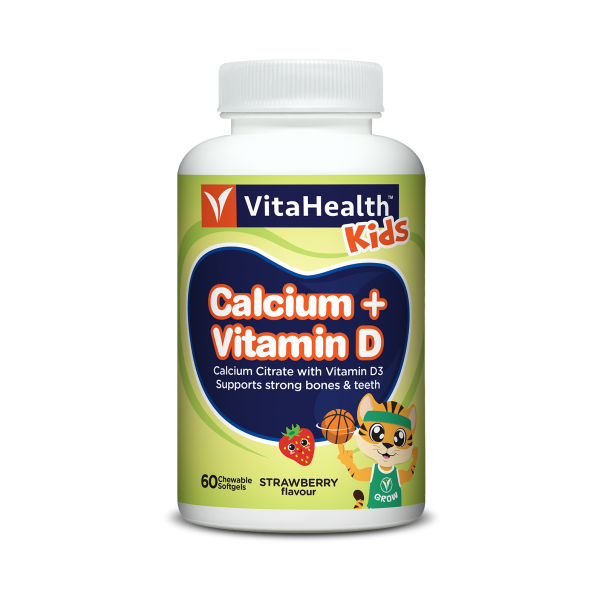
Supplements are not a replacement for a balanced diet, but they may help address nutritional gaps when a child has a restricted diet, selective eating habits, or particular nutritional needs. A children’s multivitamin can provide several vitamins and minerals in one formulation, but it is important to choose an age-appropriate product and follow the recommended serving on the label.
If your child is underweight, has a diagnosed medical condition, follows a restrictive diet, or you suspect a nutritional deficiency, speak to a paediatrician before starting supplementation. This can help establish whether supplementation is necessary and which nutrients require attention.
PHarMed Healthcare stocks a range of children’s multivitamin and supplement options in Singapore, available online and in-store at Fu Lu Shou Complex.
You can also explore our health supplement store in Singapore for age-appropriate health and wellness products.


 Login with Google