Dry, itchy skin can occur even in Singapore’s humid climate. Frequent air-conditioning, changes between indoor and outdoor environments, hot showers, and harsh cleansing products can all affect the skin’s moisture barrier. For people searching for information about itchy skin in Singapore, identifying what is causing the dryness is an important first step.
Moisturisers and other topical products remain important for managing dry skin, while good nutrition supports normal skin function from within. Certain nutrient deficiencies can affect the skin, but supplements are not a replacement for appropriate skincare or treatment when an underlying skin condition is present.
Key Takeaways:
- Vitamins and nutrients including vitamins A, C, D, E, niacin, and omega-3 fatty acids play different roles in maintaining normal skin structure and function.
- The best vitamins for dry skin depend on your diet, nutritional status, and the underlying reason for your symptoms.
- Vitamins C and E contribute to antioxidant skin health by helping protect cells against oxidative stress.
Key Vitamins and Nutrients for Dry, Itchy Skin
Different nutrients contribute to normal skin function in different ways. Rather than looking for one skin hydration supplement, it is useful to understand what each nutrient does and whether your diet is providing enough of it.
Vitamin D
Vitamin D is involved in immune function and several processes within the skin, and researchers continue to investigate its relationship with skin barrier function and inflammatory skin conditions. Low vitamin D status has been associated with conditions such as atopic dermatitis in some studies, but this does not establish vitamin D supplements as a treatment for dry or itchy skin.
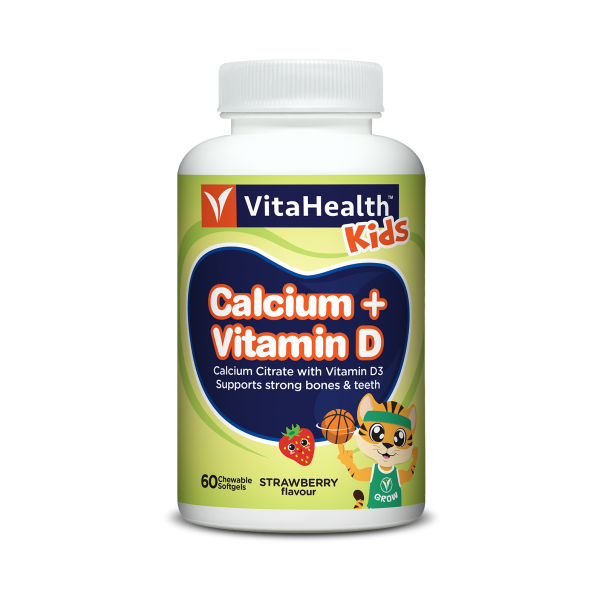
Vitamin D can be obtained through sunlight exposure and foods such as fatty fish, egg yolks, and fortified foods. Supplementation may be appropriate when dietary intake or vitamin D status is inadequate, based on individual needs.
Vitamin E
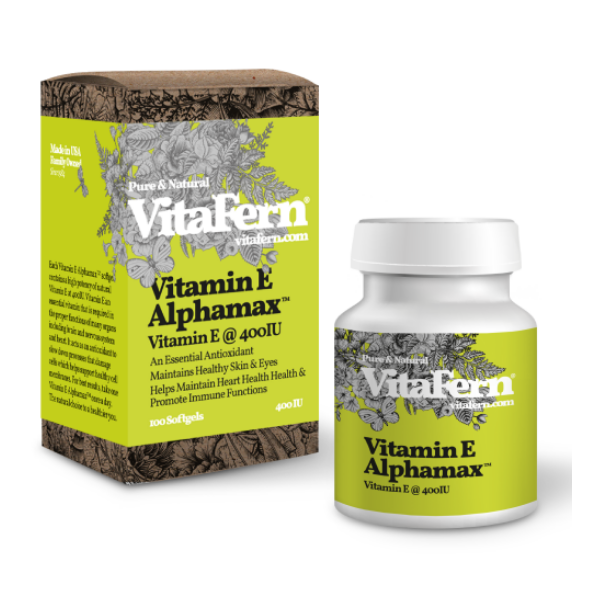
Vitamin E is a fat-soluble antioxidant that helps protect cells against oxidative damage. Its antioxidant activity is relevant to normal skin function, although evidence that oral vitamin E supplements specifically relieve ordinary dry or itchy skin is limited.
Food sources include nuts, seeds, vegetable oils, and leafy green vegetables. True vitamin E deficiency is rare in otherwise healthy people.
Vitamin C
Vitamin C has established roles in collagen synthesis and antioxidant protection, both of which are relevant to healthy skin. It also contributes to normal skin-barrier processes, although evidence for additional oral supplementation improving skin hydration in people who already consume enough vitamin C remains limited.
Guava, citrus fruits, strawberries, capsicum, and broccoli are useful dietary sources. Including these foods as part of a varied diet can help provide adequate vitamin C without relying solely on supplements.
Vitamin B3
Vitamin B3, or niacin, is an essential nutrient involved in cellular metabolism. Niacinamide, a form of vitamin B3 commonly used in topical skincare, has been studied for its effects on the skin barrier, but this should not be confused with evidence that oral niacin supplements provide the same effects.
Severe niacin deficiency can cause pellagra, which includes characteristic skin changes, although this deficiency is uncommon in well-nourished populations. Dietary sources include meat, fish, peanuts, whole grains, and fortified cereals.
Omega-3 Fatty Acids
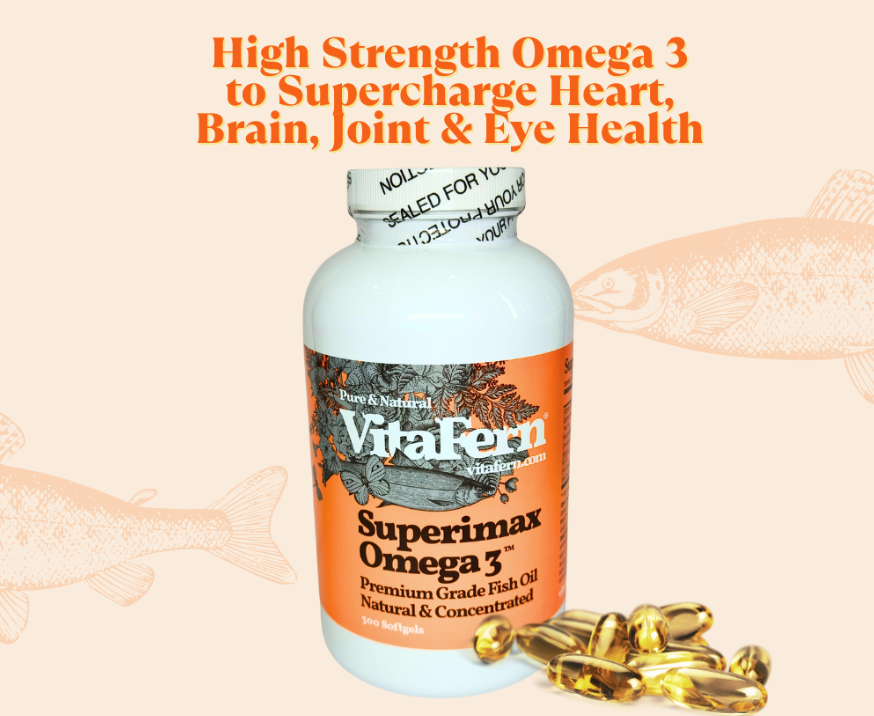
Omega-3 fatty acids such as EPA and DHA are components of cell membranes and participate in inflammatory processes within the body. Researchers have studied omega-3s in relation to several inflammatory skin conditions, but the evidence does not establish fish oil as a treatment for eczema or ordinary dry skin.
EPA and DHA are found in oily fish such as salmon, sardines, and mackerel. Although omega-3 products are sometimes marketed as a skin hydration supplement, more research is needed to establish how much oral supplementation directly affects skin moisture; recent reviews of promising skin effects have often focused on topical rather than oral omega-3.
Vitamin A
Vitamin A contributes to normal cell growth and differentiation, making adequate intake important for healthy skin and other tissues. Eggs, dairy products, leafy vegetables, carrots, pumpkin, and sweet potato can help provide vitamin A or provitamin A carotenoids through the diet.
More is not necessarily better. Because preformed vitamin A can accumulate in the body, excessive supplementation can be harmful and can itself cause symptoms including dry skin. For most people without an identified deficiency or specific medical indication, obtaining vitamin A through a balanced diet is preferable to taking high-dose supplements.
Topical Relief Alongside Supplements: A Combined Approach
Good nutrition supports normal skin function over time, while topical products can directly moisturise the skin and help manage dryness and itching. Moisturisers and suitable anti-itch skin cream options may provide more immediate symptom management, depending on the cause of the itch. Measures such as moisturising and avoiding irritants may help manage immediate symptoms.
Supplements are best viewed as a way of addressing dietary gaps where appropriate, rather than as a replacement for topical skincare or medical treatment
When to See a Doctor or Pharmacist
Speak to a doctor if dry, itchy skin is persistent or severe, or occurs with significant redness, swelling, a spreading rash, or other concerning symptoms. Conditions such as eczema, psoriasis, contact dermatitis, and infections can cause itching and may require a different approach from supplements or over-the-counter skincare.
A pharmacist can also help you understand whether an OTC product or supplement is appropriate and when further assessment is advisable. PHarMed’s medical shop in Singapore offers a range of healthcare and skin-care products alongside pharmacy support.